AI-Assisted EEG Brain–Computer Interface
A low-cost, 4-channel brain–computer interface I built from scratch, from electrodes to AI model. 98% accuracy on a visual attention task.
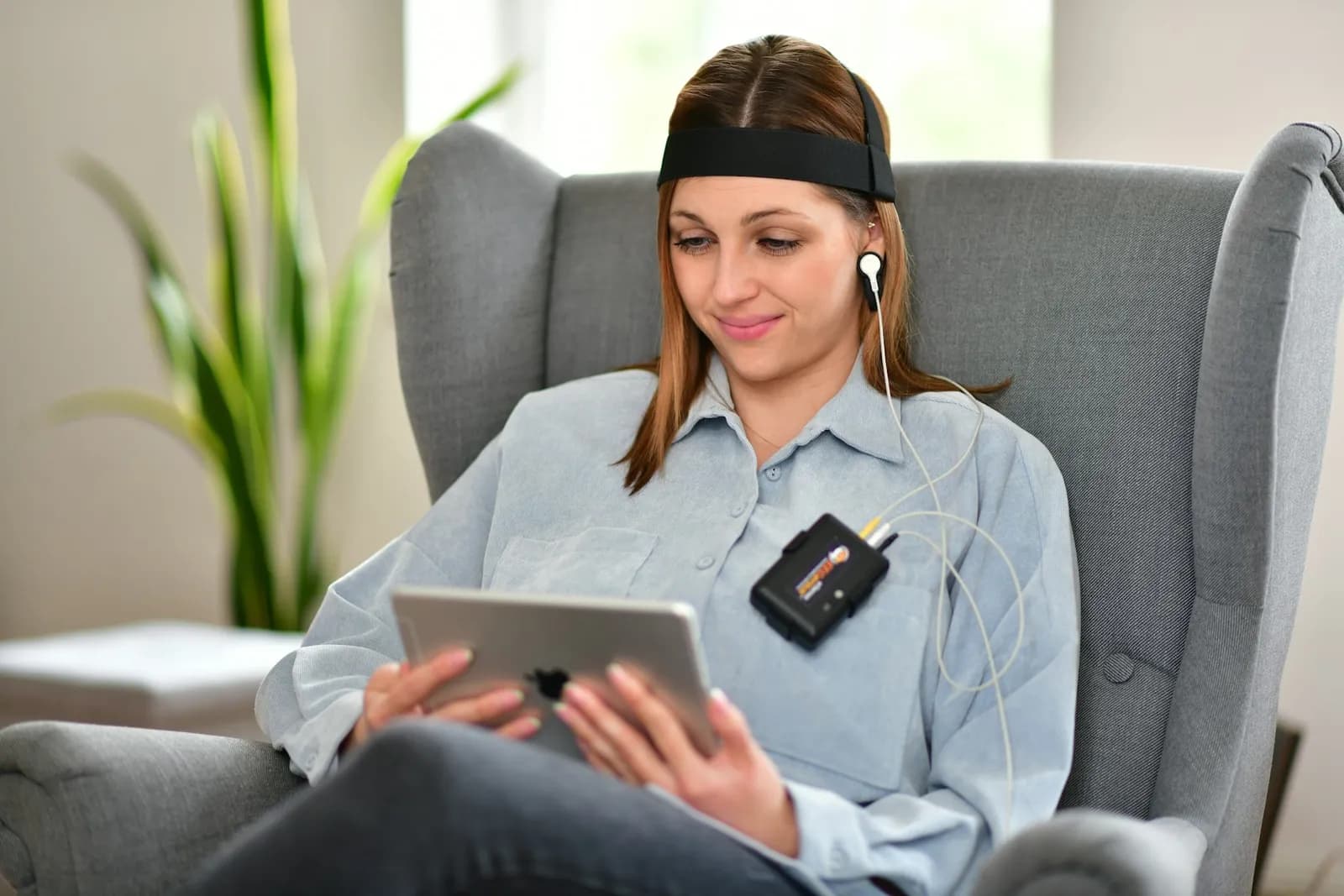
This project started with a conversation with a neuroscientist, and the goal was simple: build a system that reads brain signals and interprets them with AI, entirely from scratch and without buying an off-the-shelf device.
Why from scratch?
Ready-made EEG systems are either very expensive or too closed to adapt to your own needs, and there is little work on locally built EEG hardware in Turkey. So I decided to design the whole chain myself, from the electrodes that pick up the signal to the AI that interprets it.
How it works
The brain's signal is in the microvolt range, far weaker than the electrical noise around it. The system cleans it step by step and turns it into something meaningful:
- 1ElectrodesPicking up the signal from the scalp
- 2Analog front endAmplification and filtering
- 3DigitizationHigh-resolution sampling
- 4Embedded processorReal-time noise removal
- 5Desktop appVisualization and recording
- 6AILive classification
I tried several approaches at every hardware layer, choosing each part, from electrode material to power supply, by measuring and testing.
Software
The Python desktop app runs the experiments and the live model:
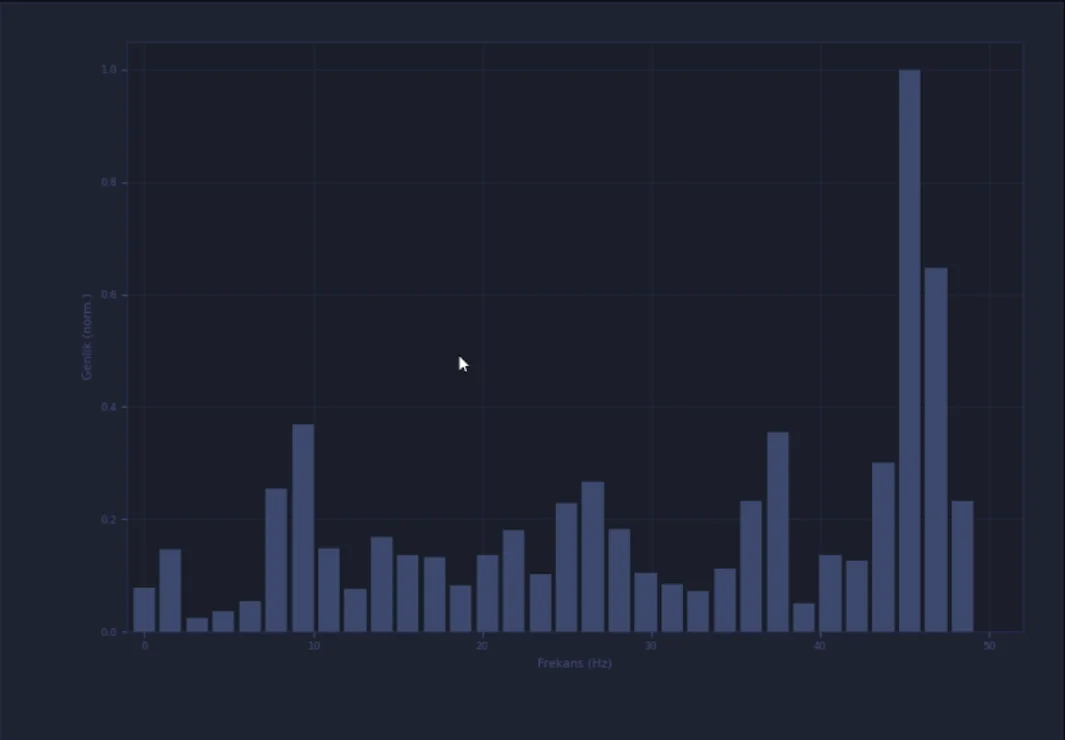
- It reads data from the microcontroller continuously and plots each channel's spectrum live.
- It labels data automatically based on the stimuli shown during the experiment.
- It loads the trained model and produces real-time predictions.
Results
Early tests were around 35% accurate. Filtering, data balancing and, most importantly, changing the data collection protocol raised the result step by step. With the same hardware and model, simply changing how the participant focused their attention took accuracy from 67% to 98%.
Limitations and next steps
The 98% result comes from a person-specific model trained on a single participant in a single session, so it shows the upper bound the system can reach for one user. Next up: lower-noise hardware, more channels, validation with multiple participants and real-world tests with people with limited mobility.